




ESG’s for LLA 2023
Environmental, Social and Governance (ESG) matters in the architectural business are interlinked with each other and the COVID-19 pandemic has steered ESG concerns into a position of greater importance among all invested key stakeholders. In the attempt to safeguard the business of architecture from future risks, clear ESG parameters will facilitate robust growth, it will attract talent, reduce costs, forge a sense of confidence among the team and engender trust and confidence among clients.
Environment
Social
Governance
Environment (E)
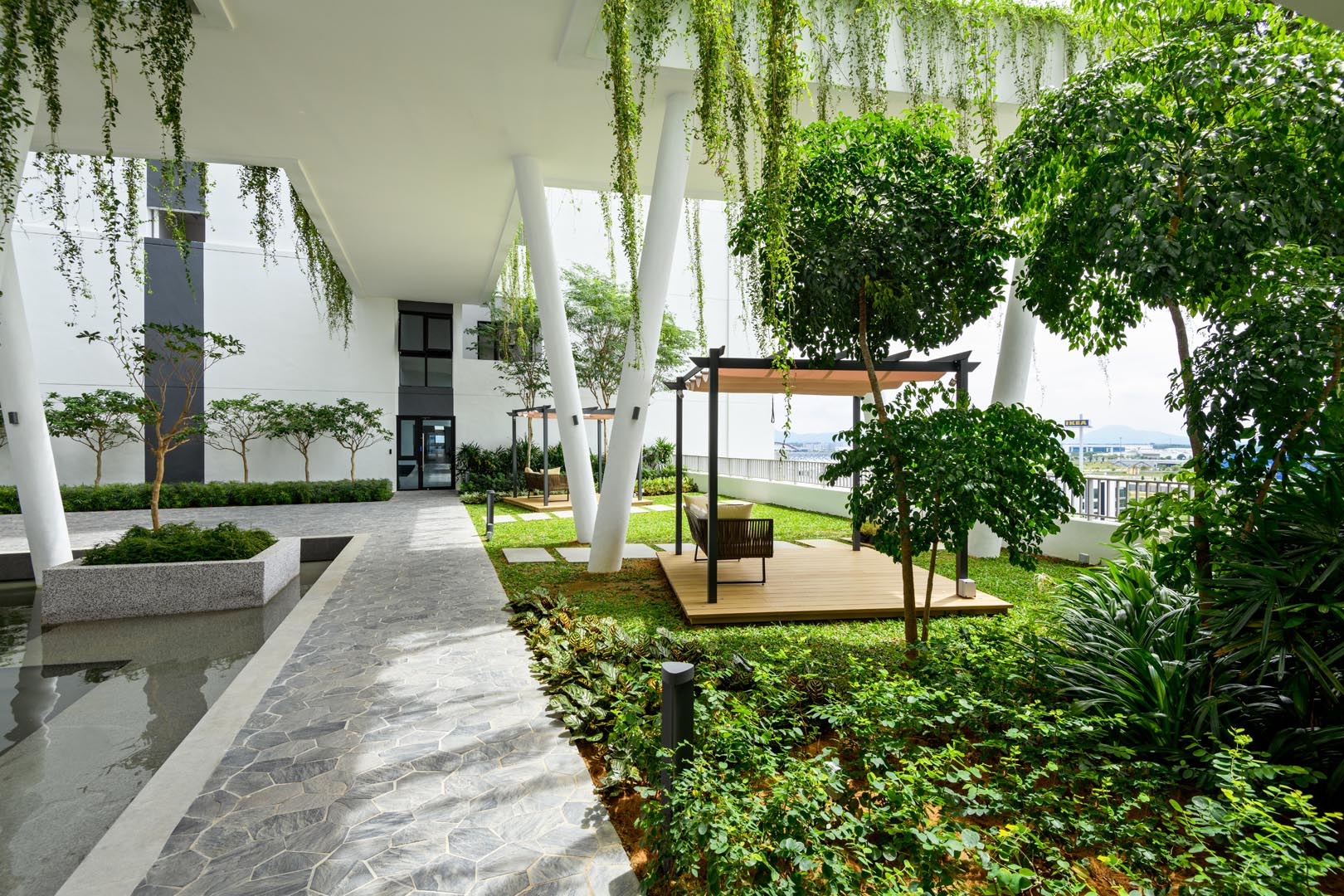
LLA’s concern is focussed on examining the impact of resource consumption of the architectural and building industry on the environment. We are fully cognisant of carbon footprint, water consumption, food wastage, waste disposal, recycling and reuse of materials among other environmental impacting activities. And we have consequently made resolute commitments:
- The Firm recycles all printing materials and plastics.
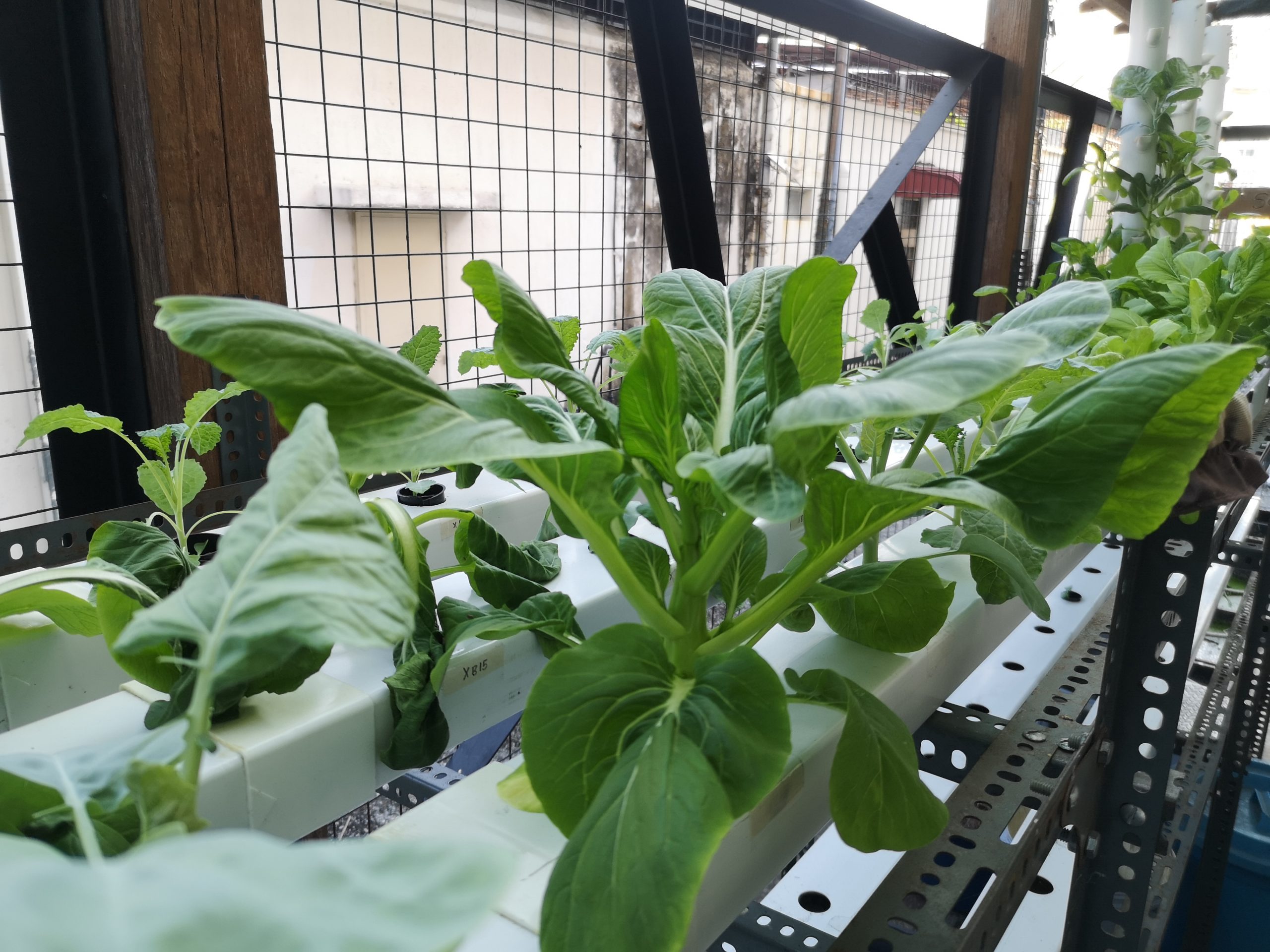
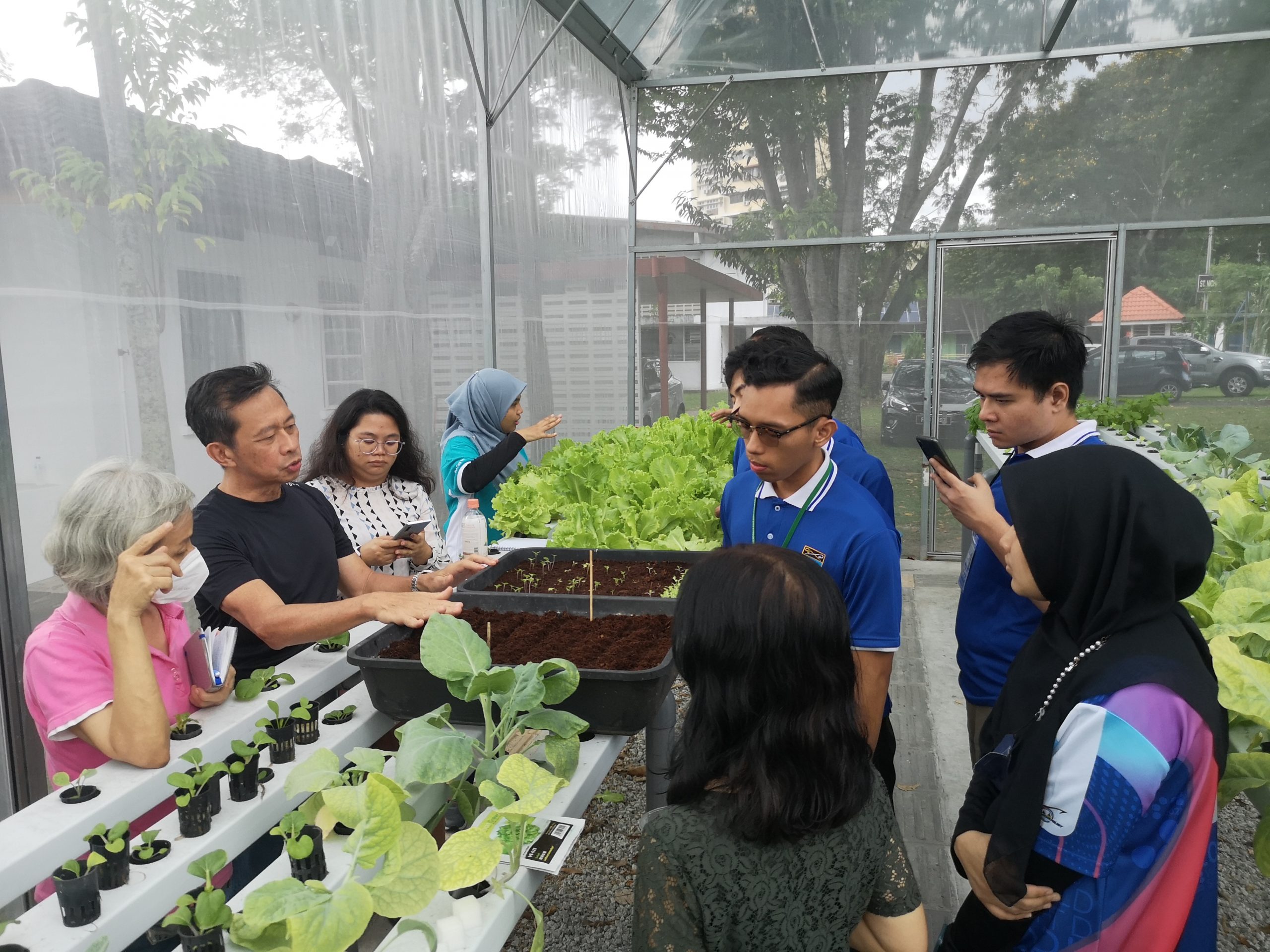
- An urban organic herb and vegetable farm has been incorporated into the office premises. It embraces aquaponics, a circular economy of integrating fish ponds and planting pods. Staff are able to harvest extensively and bring home for consumption. The expertise and equipment have been extended to aid orphanages and homes for the visually impaired. There is follow up to ensure the systems are sustained and fully beneficial.
- LLA has sponsored lunches for all staff who reduce their carbon footprints by not using vehicles at lunch break
- LLA’s environmental priorities have been acknowledged in winning awards that embody the very principles of environmental sustainability such as the LEED Gold Certification for the ThinkCity – UAB building in George Town Penang. It is the first Malaysian award winning conservation project to attain the U.S. based LEED GOLD Certification and brings heritage works to an entirely new level of international recognition. LEED (Leadership in Energy and Environmental Design) seeks to recognise a design framework that seeks to create quality, healthy, highly efficient and cost-saving green buildings and the UAB building now stands as a globally recognized project of sustainability-achievement.
- The Bosch semi-conductor backend site in Batu Kawan, Penang has also been honoured with the highly prestigious DGNB Platinum Award by the German Sustainable Building Council.
- The Chowrasta Market renewal for the Majlis Perbandaran Pulau Pinang has also resulted in GBI (Green Building Index) recognition, a first for the local authority of Penang Island. Recycling and composting of market waste is a new concept for the local authorities
- In every new built or conservation design project, sustainable construction management is fundamental and emphasis is placed on incorporating sustainable design features and re-use of any and all building materials wherever possible. As a small firm, LLA takes small and simple Green steps to save costs as well as reduce its carbon footprint. LLA views conservation and restoration as sustainable ‘first steps’. The re-use of existing building stock is an important sustainable move. The incorporation of up-scaling a restoration project to become a sustainable project is a BBB build-back-better approach that the Firm has committed itself to.
- When projects are offered to the Firm that appear to be contentious in the realm of environmental risks, LLA has withdrawn itself firmly and with clear indications of its disinclination to pose any threats to environmental protection.
Social (S)
The S’ or SOCIAL in ESG examines the internal management policies in LLA with regards to employment, diversity, inclusion, gender, race and religion. Staffing inclusion has a current gender ratio (2023) of 15 females to 8 males. As the Firm is small, the business actually benefits from being able to communicate and transmit information quickly. The recent Covid pandemic attested to the speed with which information was disseminated, mis-information disproved and general compliance to required practices acknowledged.
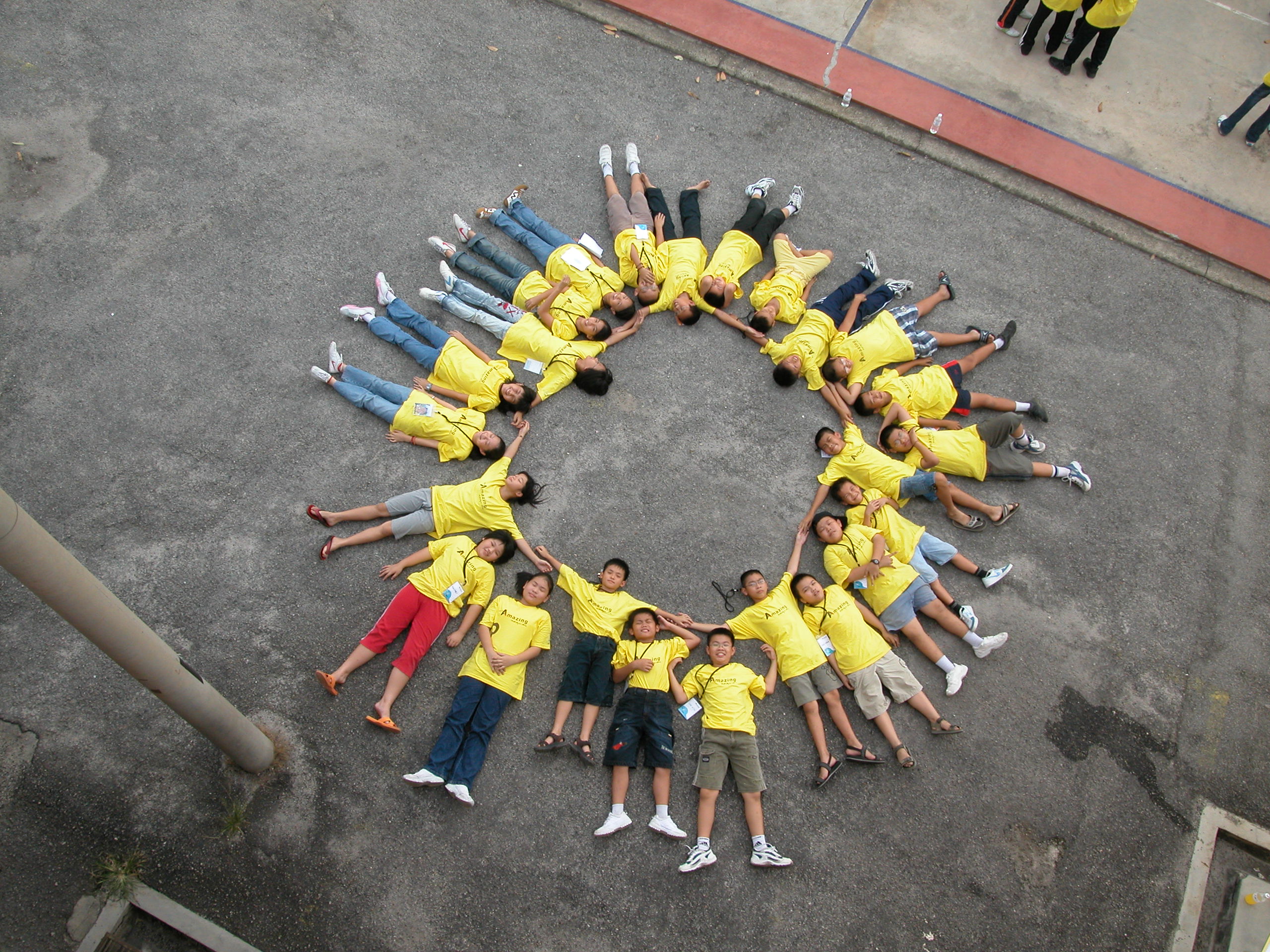
LLA always tries to demonstrate an ongoing high regard for its employees’ health and safety and well as their personal growth. Physical well-being is actively encouraged with various sponsored exercise sessions – badminton, group hikes, weekly exercise, purchase of equipment such as sports shoes, health talks and subsidized nutrition. Team building sessions as well as exposure to new experiences and arts and culture are also viewed as integral.
The Firm is also concerned about how the practice and the projects undertaken are able to effectively interact with and contribute to the communities where it operates. Clients are influenced to engage in stakeholder consultations across all levels and personnel within the practice are able to lead and guide discussions and dialogues. This was evidenced in particular in the Chowrasta Market, George Town upgrading works. More than 3 dozen dialogue sessions were held with stakeholders before and during works, a practice never before conducted for a public building with highly contested spaces.
Within the business community LLA attempts to work with other professionals, contractors and suppliers who profess to hold the same values as it does in term of integrity and environmental concern. LLA also encourages the staff as a whole to perform volunteer work within the community. This has resulted in several CSR projects with orphanages, schools and the disabled. The Firm constantly scrutinising and reappraises its role and responsibilities in society.
The Firm considers the individuality of each staff member and acknowledges their inter-relationships and differing needs. Clients and Client-satisfaction are paramount, needs and requirements are attended to post-haste, and attention to detail is unlimited.
Governance (G)
GOVERNANCE is particularly crucial in the business of architecture as it relates to internal practices and policies that lead to effective decision making and legal compliance. LLA feels that both risks as well as opportunities in Governance will increase as external forces such as health, social, cultural and political changes evolve. The recent Covid pandemic has made professional governance a very distinct task requiring that LLA makes very vital decisions related to business strategies, employee well-being, risk mitigation, succession and continuity and managing clients and others in a totally bizarre and atypical environment.
LLA has invested both time and effort in scrutinizing its roles and responsibilities in society. For the firm Governance factors include the inter-relations between its expressed vision and mission statement, its policies, its lines of authority and communication.
So what does LLA consider to be Good Governance? Is it the bottom line, often called the economic factor or is it the quality of its management system as well as its ability to manage people, risks and opportunities?
Professional conduct:
LLA is a practice with a code of professional ethics that has been designed to prevent bribery and corruption while operating in a country with weak anti-corruption codes of business conduct. It has steadfastly refused to expose itself to reputation and legal risks, while accepting the struggles within the system.
Risk and crisis management:
In its 40th year of practice, LLA has learnt from its exposure to national, regional and worldwide economic downturns, it has examined the effectiveness of its own risk management plans and identified its short and long term risks and has mitigation plans in place. Being a small professional firm it has also considered management control and succession as key issues so as to ensure continuity and stability.
Governance criterion of policy influence:
Key LLA personnel have been highly successful in creating and influencing public policy in the small political state of Penang. Dedication, conviction and commitment to firm civic, societal and community beliefs have led to LLA personnel being invited to sit on Government and quasi-government decision making boards concerned with public policy.
Long Term value creation:
LLA has also attempted to identify the sources of long-term value creation, for example, heritage issues, to try to understand the link between these issues and the business model and ultimately to bring these arguments to the right ears. The firm has set benchmark standards for conservation and opened doors where none existed. Key LLA personnel were instrumental in the successful UNESCO World Heritage Site listing for George Town and are now UNESCO consultants as needed.
LLA has invested much effort and time in building standards which are particularly vital in creating an impression of trust and confidence amongst clients and consultants. Good decisions are made quickly and effectively and it is experience, decision making, flexibility and closer contact with clients which help the Firm better understand their needs.
LLA also believes that with strong ESG values it will be more likely to attract and retain top talents. Millennials appear to care deeply that the companies they work for share the same values they do. And that environmental and social responsibility with good governance are the values they place high importance on.